All Categories
Featured
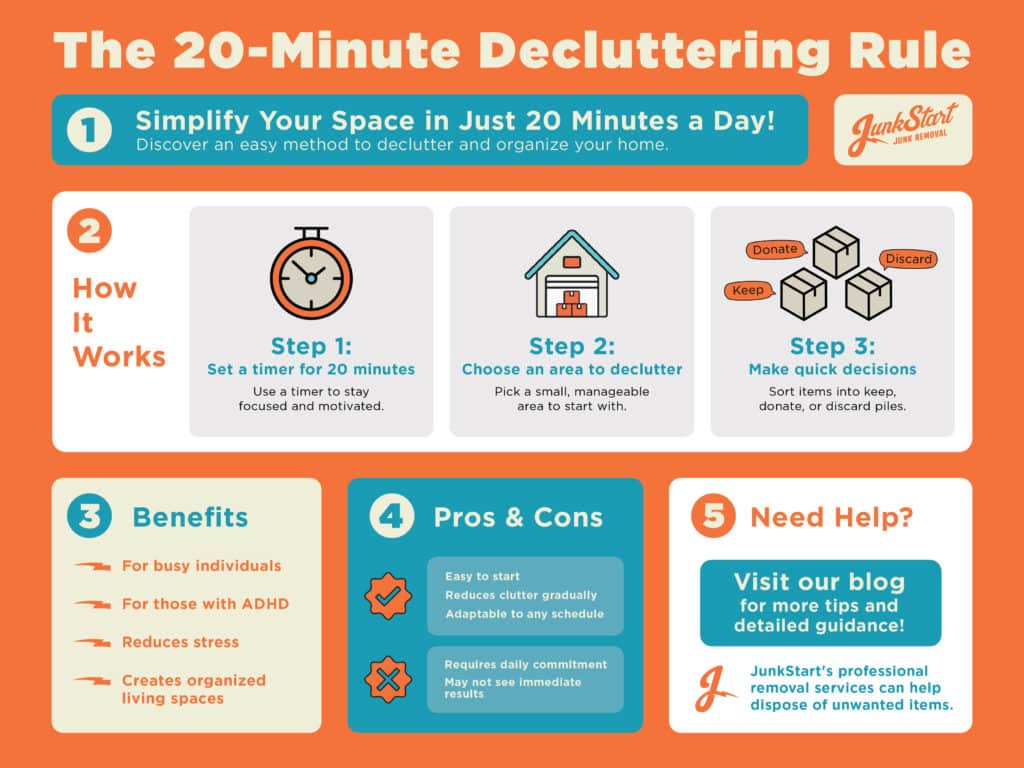

Simple Decluttering Tips to Help Sellers
The home assessment represents your chance to comprehend precisely what you're buying before you're lawfully devoted. According to market data, expert evaluations reveal issues that save buyers an average of $14,000 on the last list price through negotiations or by enabling them to ignore seriously problematic properties. A detailed home inspection usually costs $300 to $500 and takes 2 to 4 hours depending upon home size and age.
They classify concerns by intensity: Safety threats: Immediate concerns like exposed circuitry, gas leakages, or structural failures needing urgent attentionMajor flaws: Considerable problems like roofing damage, foundation issues, or stopped working heating and cooling systems that will require significant expenseMinor flaws: Cosmetic or upkeep issues like used caulking, loose components, or minor wearHere's what this means for you: every home evaluation reveals issues.
The question isn't whether issues exist, but whether they're acceptable offered the residential or commercial property's age, price, and your budget for repairs. Safety problems. Defective electrical work, gas leakages, structural instabilities, and hazardous products (asbestos, lead paint) take top priority. These concerns can endanger your family and might not be insurable till remedied.
If the roofing system has 2 years of life staying, the A/c is 14 years old, and the water heater is 11 years old, you're dealing with $12,000 to $18,000 in replacement costs within 2 to 3 years. When several systems show disregard, it suggests the owner hasn't kept the property well.
Minor cosmetic problems. Worn carpet, out-of-date components, or chipped paint are typical and easily resolved. Regular wear and tear appropriate to the home's age. A 30-year-old home will have some settling, worn weather-stripping, and small fractures. This is anticipated. Concerns currently priced into the residential or commercial property worth. If you bought a fixer-upper at a discount, finding issues shouldn't shock you.
Professional Moving Vs DIY Shifts
Sellers in hot markets are less ready to make concessions, knowing other purchasers will accept the residential or commercial property as-is. After the assessment is done and you've concurred on any repair work or credits that require to be made, your lending institution will start the official underwriting procedure. This is when they inspect every part of your monetary life and take a look at the residential or commercial property as security.
Outcomes of a title search to ensure the seller actually owns the residential or commercial property and there are no liens on itLetters discussing why you have a great deal of money in your savings account (underwriters are fretted about loans that aren't reported)Updated pay stubs if the procedure takes longer than thirty days from the first documentsUpdated bank statements that reveal you still have the needed reservesProof of any address modifications or brand-new credit inquiriesGift letters and proof of transfer for household presents for a down paymentYour loan provider orders an appraisal to make sure that the residential or commercial property's market price is high enough to cover the loan quantity.
Current sales of similar homes in the neighborhood (normally within past 6 months and within 1 mile)Home size, age, condition, and featuresLot size, place, and community desirabilityCurrent market conditions and trendsThree possible appraisal results: Appraisal matches or goes beyond purchase price: The offer proceeds normally. You're getting reasonable worth or potentially a bargain.

Latest Posts
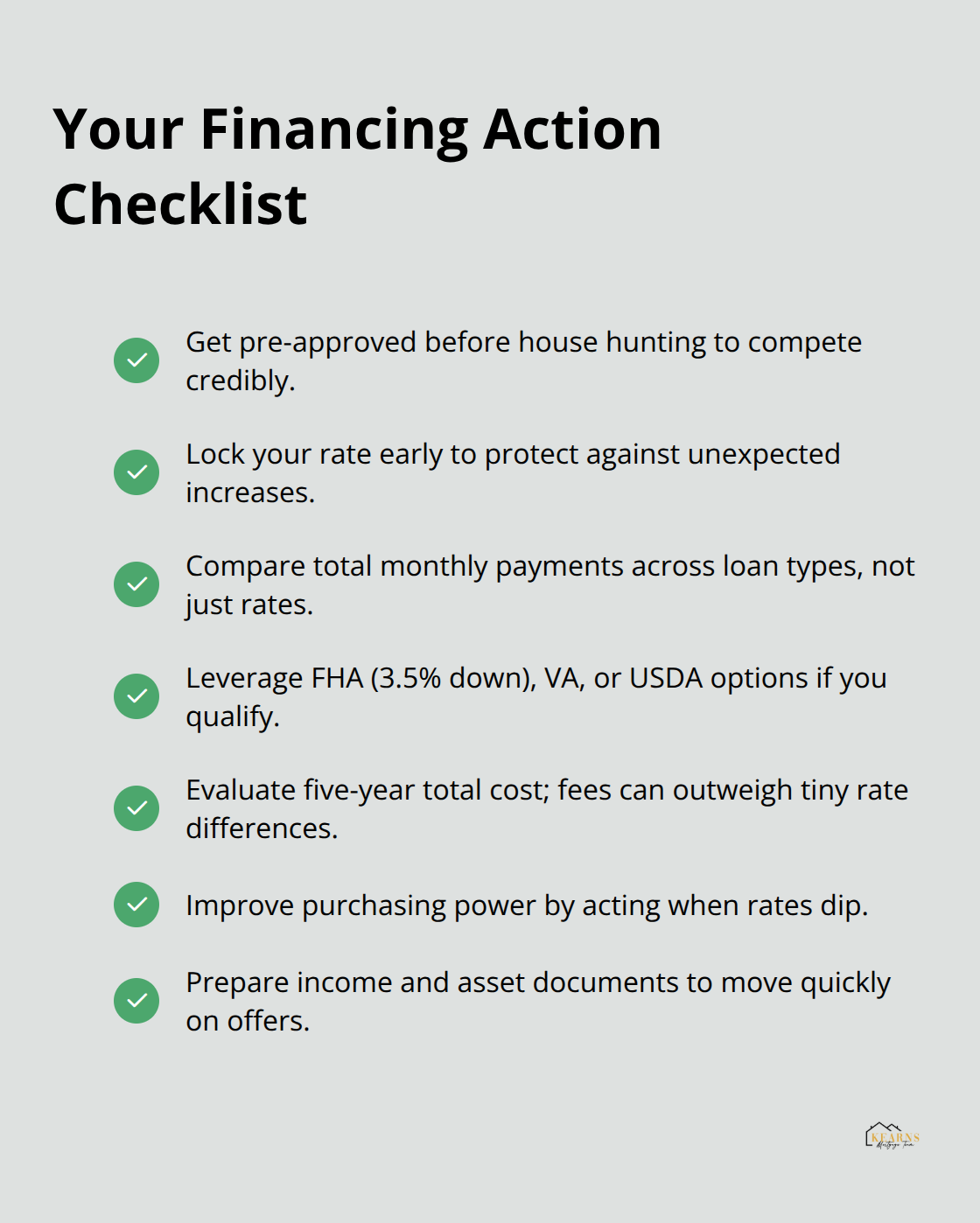
2026 Home Buying Checklist
Simple Decluttering Tips to Help Sellers

Preparing a Home to Sale During 2026